
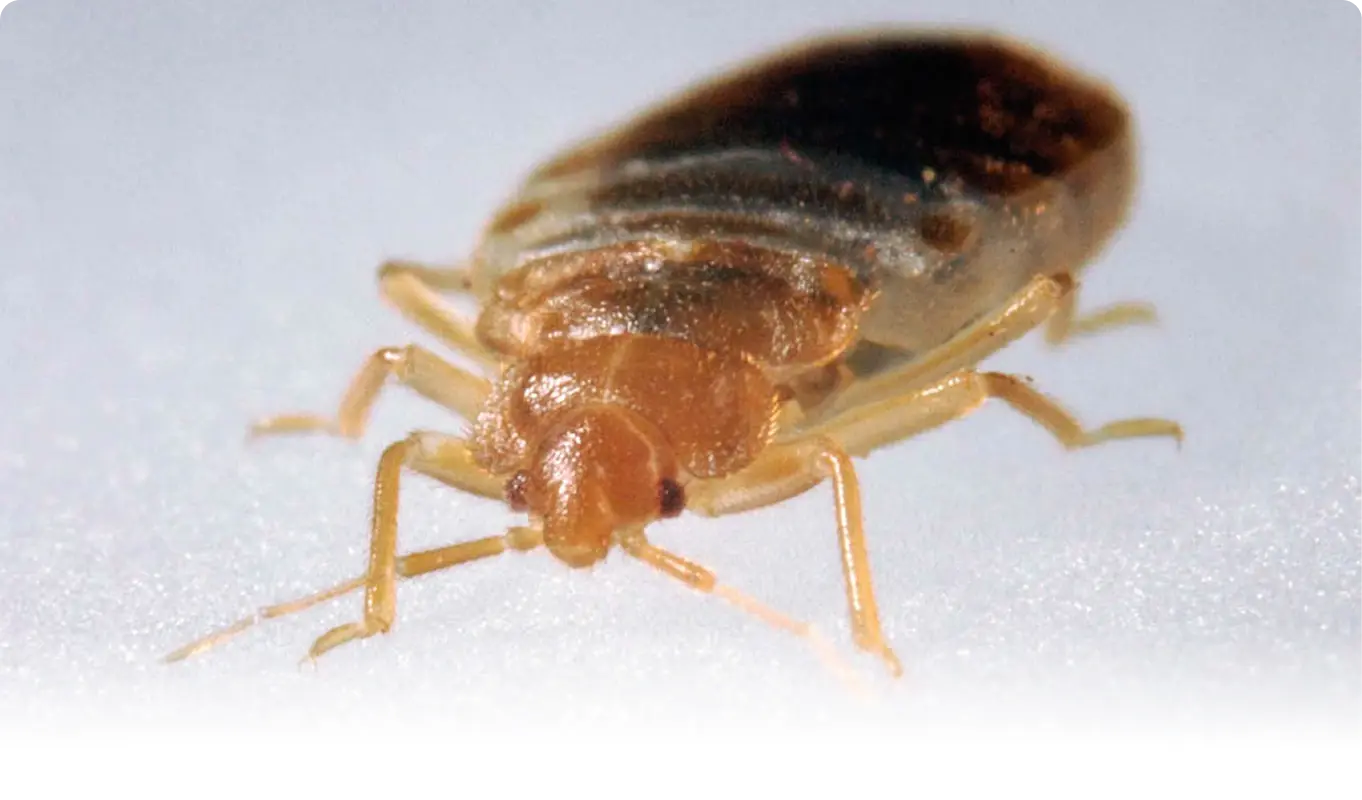
Bed bugs remain one of the most operationally challenging pests faced by pest management professionals. Their cryptic behaviour, resistance risks, and ability to survive long periods without feeding make elimination difficult and customer confidence fragile.
For PMPs, success depends not only on treatment, but on accurate detection, confirmation of control, and long-term monitoring that reduces callbacks, labour, and reputational risk.
bed bug biology, behaviour & risk factors
Life cycle and survival
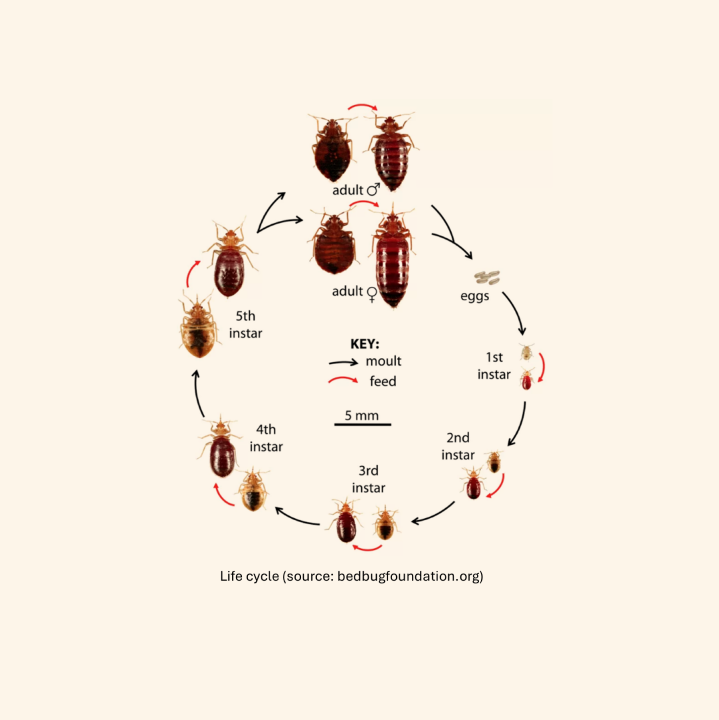
Bed bugs hatch from eggs in 1–2 weeks and pass through five nymphal stages before adulthood. Progression depends on blood meals, typically taken every 7–10 days. Under favourable conditions, the life cycle may complete in 45 days, under limited feeding, it can extend to a year.
Adult bed bugs can survive up to 12 months without feeding, making post-treatment monitoring essential. Female bed bugs lay 200–500 eggs, often in batches following feeding, enabling rapid population growth if early detection is missed.



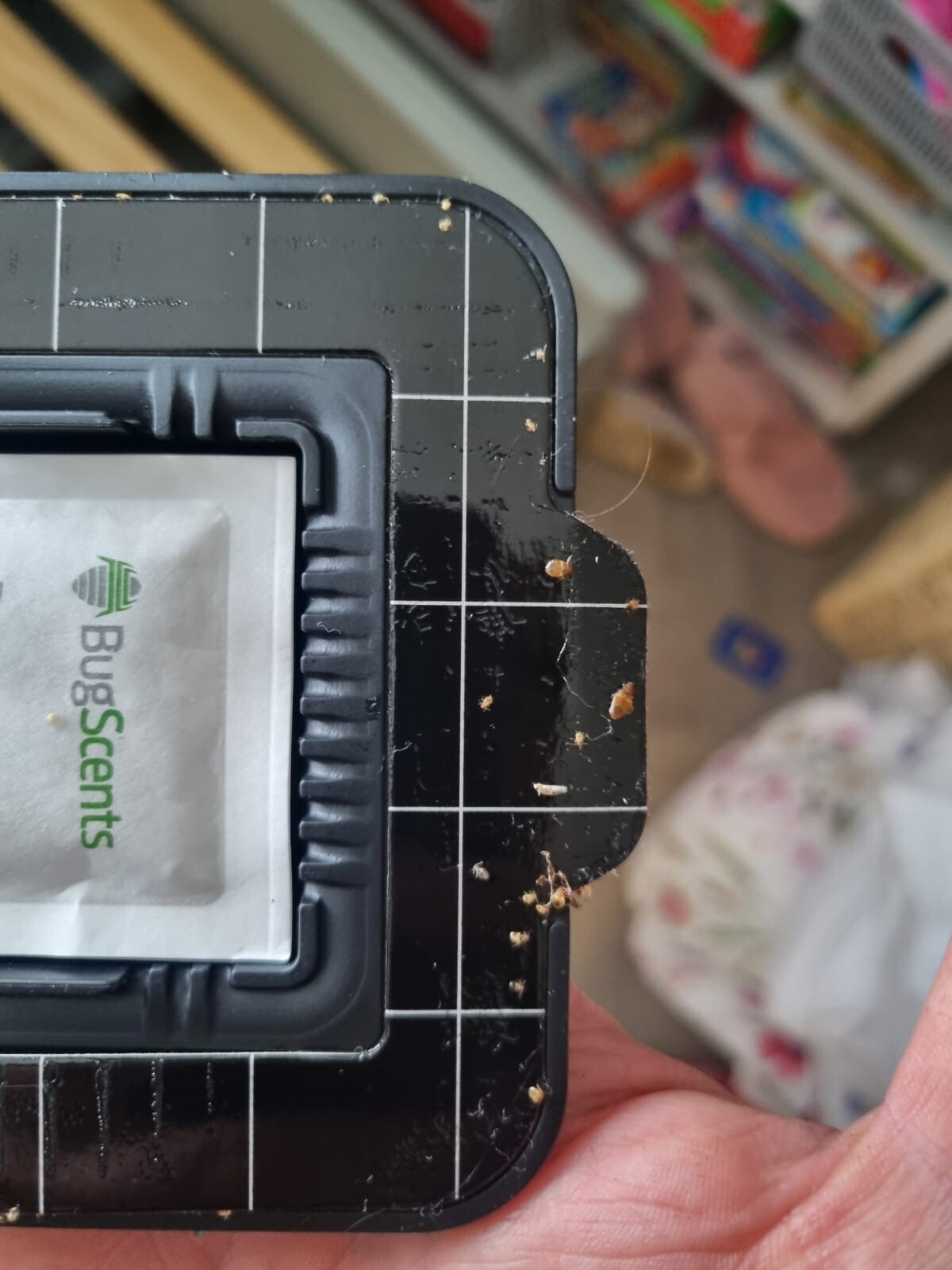
.jpg?width=1200&height=1600&name=Newham%20Council%20photos%20(1).jpg)
detection
Treatment Approaches
No single method is sufficient alone. Success depends on integration, timing, client compliance, and confirmation.
Professional bed bug management typically involves a combination of:
Residual Insecticides
Insect growth regulators (IGRs)
Heat treatments
Mechanical methods (steam, vacuuming)
Physical dusts (silica-based products)

Understanding Customer Impact & Professional Opportunity








Non-toxic, chemical-free monitoring

Reusable systems that reduce waste

Safe deployment in sensitive environments