
Bed Bugs Basics
Understanding Bed Bugs: What Everyone Should Know
What are bed bugs
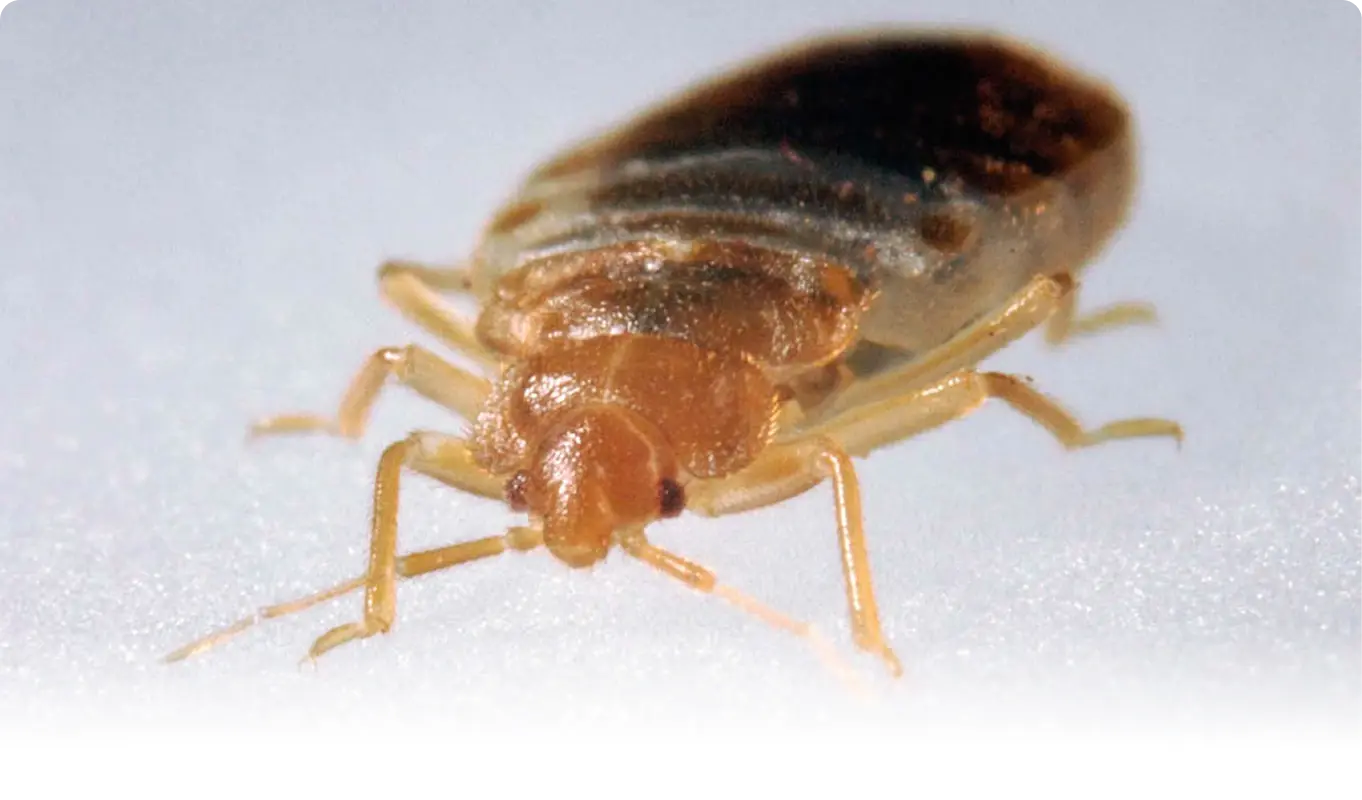
Bed bugs are small, flat insects that feed on blood, usually at night while people sleep. They don’t spread disease, but they can cause distress, sleeplessness, skin irritation and significant disruption if left undetected.
Why bed bugs are so hard to spot
Bed bugs are experts at hiding. During the day, they squeeze into cracks and crevices close to where people sleep, such as:
Once they find a safe hiding place, bed bugs release a scent that attracts others, allowing infestations to grow quietly over time.
Mattress seams and bed frames
Headboards and bedside furniture
Skirting boards, wall cracks and flooring
Sofas, chairs and even luggage
bed bug biology & behaviour
Their Life Cycle (and Why Early Detection Matters)
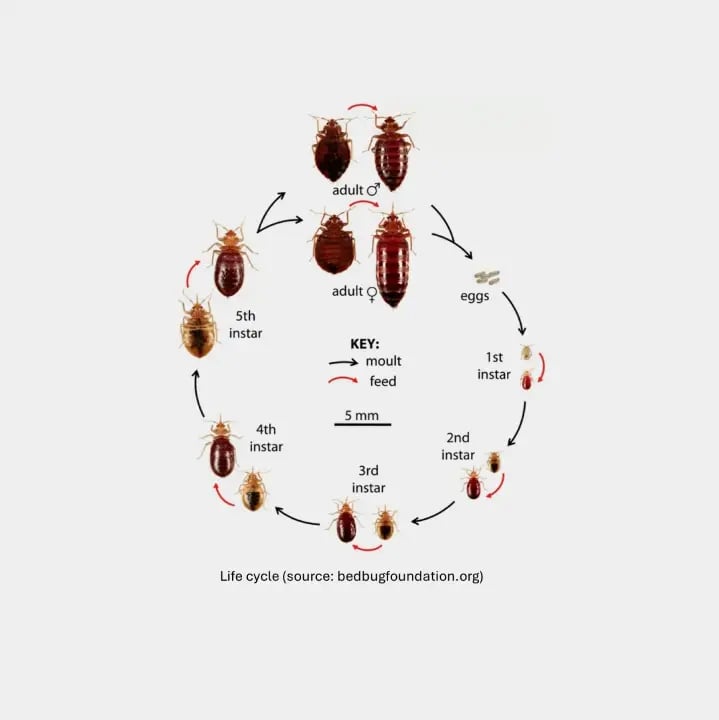
Bed bugs start life as tiny eggs that hatch within 1–2 weeks. They then pass through several growth stages before becoming adults. At every growth stage, they require a blood meal to progress to the next stage. An adult female can lay hundreds of eggs in just a few months, meaning populations can grow rapidly
Crucially, bed bugs can survive for many months, even up to a year, without feeding, which means they can remain hidden long after you think a problem has gone away.
Common Signs of Bed Bugs
You might notice:
However, early infestations often show no obvious signs, which is why monitoring is so important.
Small dark spots on bedding or furniture
Shed skins near beds or sofas
Unexplained itchy bites, often in lines or clusters
A faint musty smell in heavier infestations
How Bed Bugs Affect People and Homes
While bed bugs don’t transmit disease, they can have a real impact:
Because of stigma, many people delay seeking help allowing infestations to grow.
Itchy bites and skin reactions
Embarrassment, anxiety, and loss of sleep
Disruption to daily life and routines
Damage to belongings and furniture
When to Contact a Professional
You should content a licensed pest management professional if:
Early professional involvement can prevent spread, reduce costs and bring peace of mind.
You suspect bed bugs but aren’t sure
You are regularly finding new bites, particularly on the face, shoulders and other areas of skin exposed when you are sleeping
You find bugs, skins or spotting near sleeping areas
Monitoring devices indicate activity
Prevention and Peace of Mind
Regular monitoring, especially after travel or guests, helps catch problems early and provides reassurance that your home is protected.